
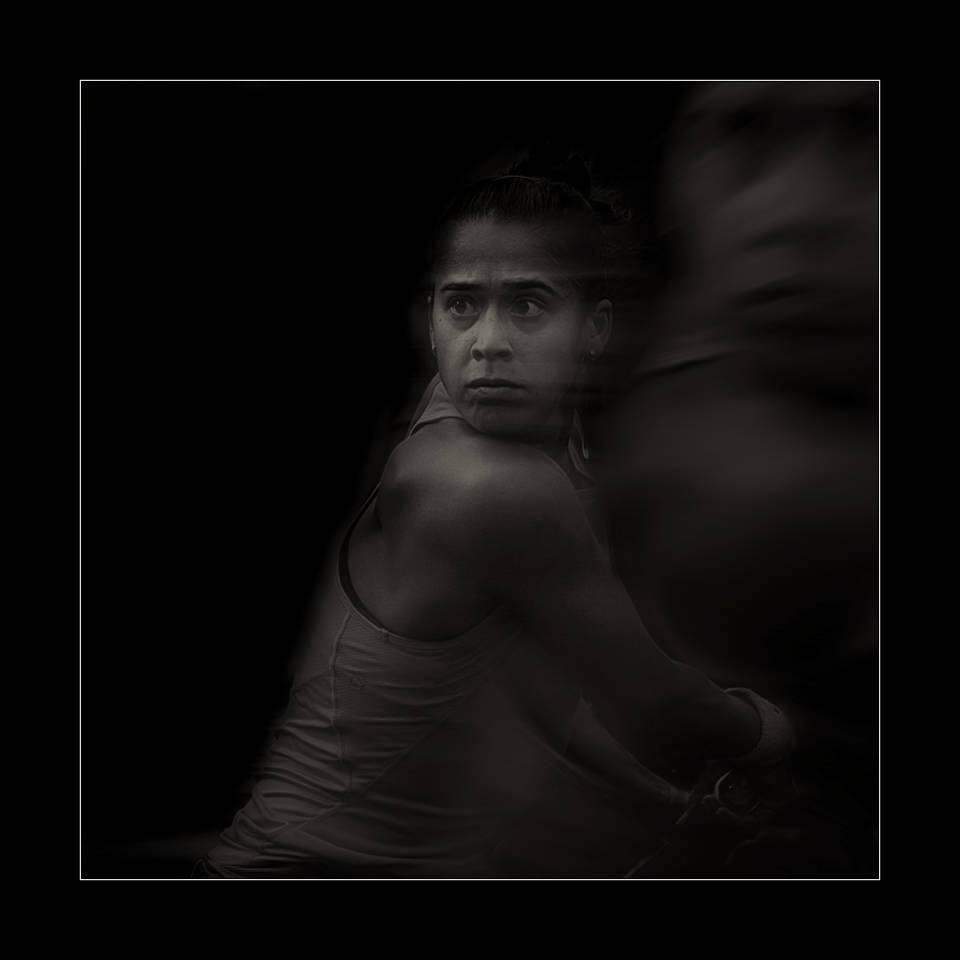
effort without theatricality.
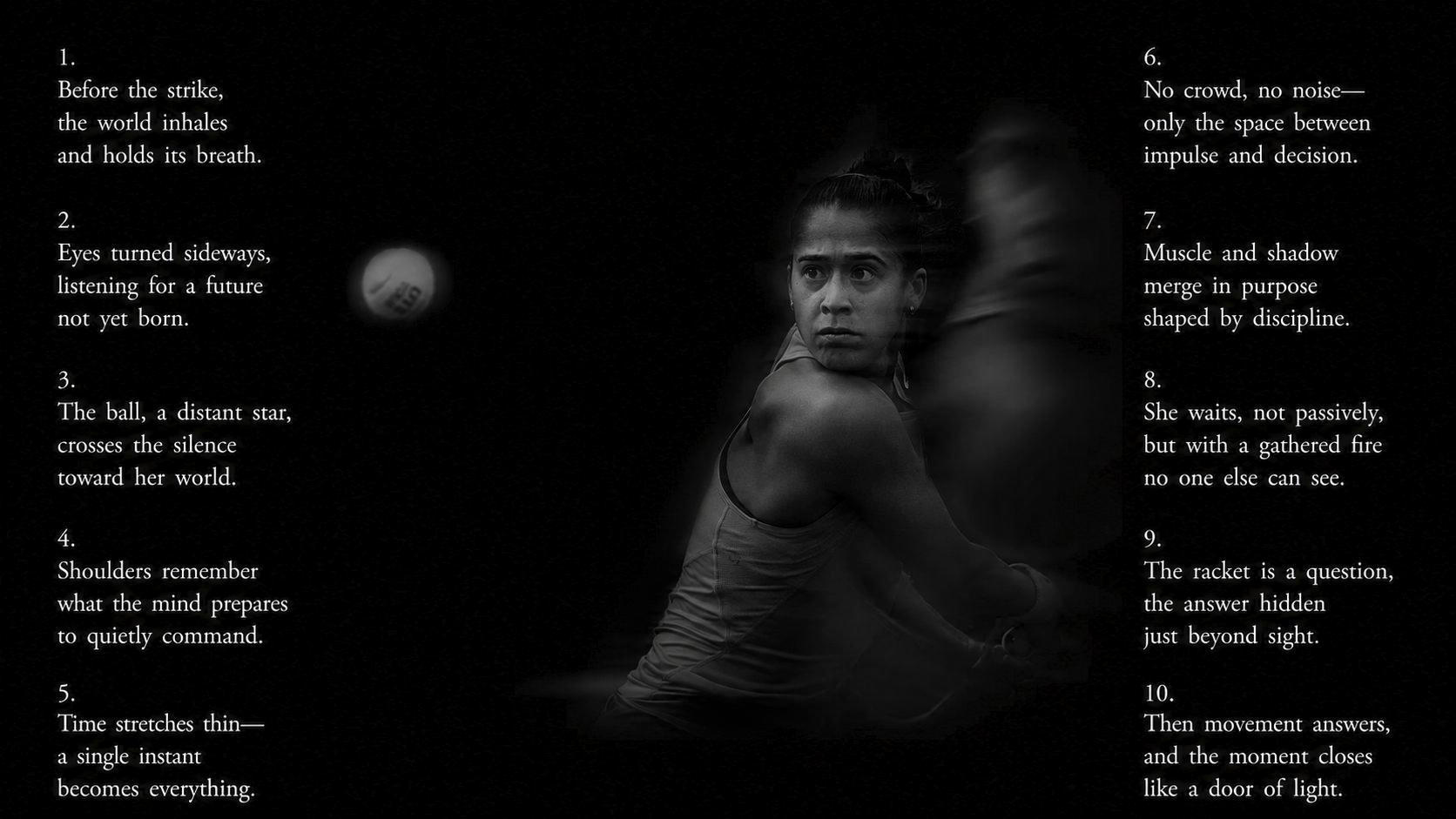
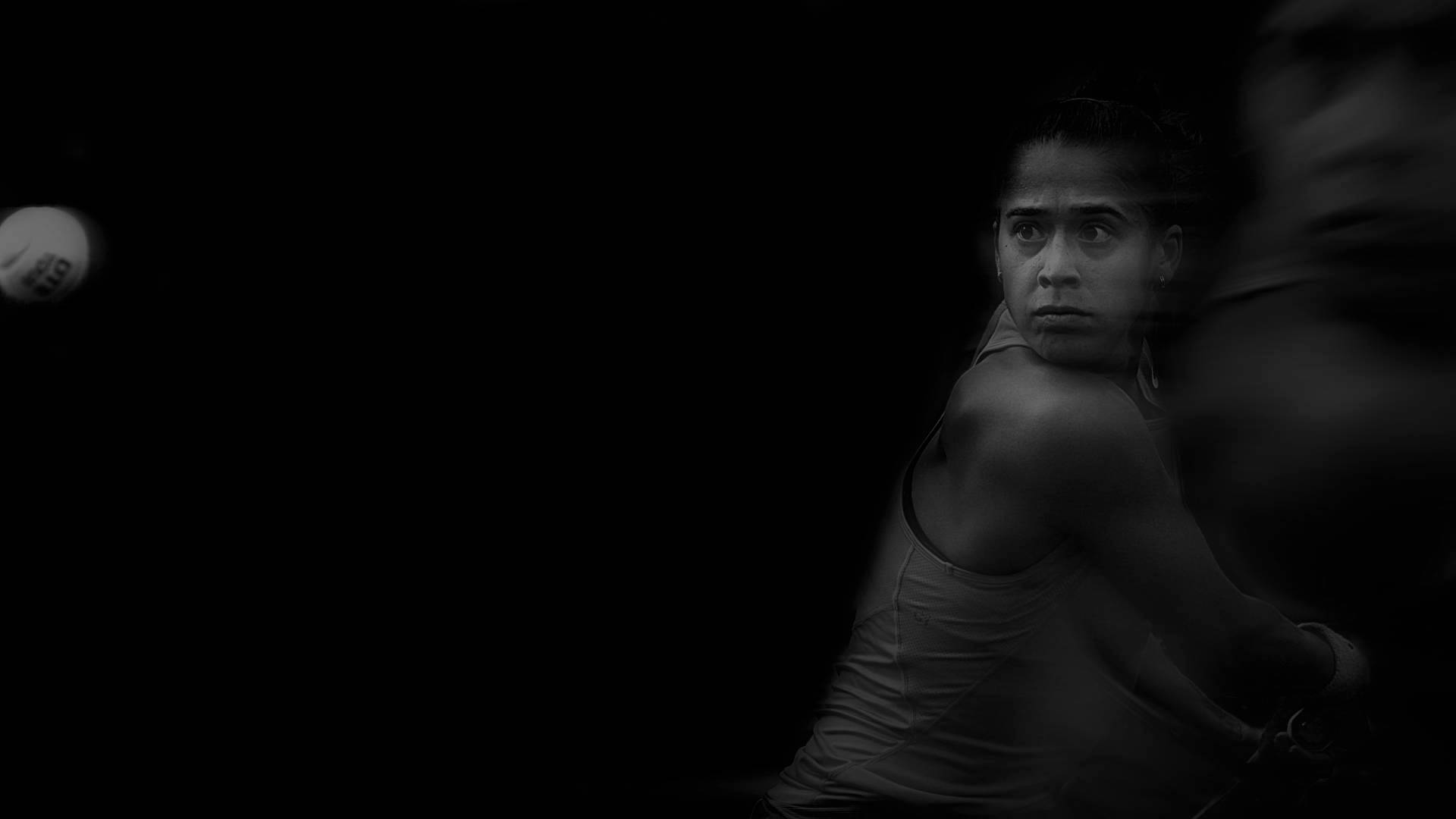
Teliana Pereira – Overview
Teliana Santos Pereira (born 20 July 1988 in Águas Belas, Pernambuco, Brazil) is a retired Brazilian professional tennis player and one of the most successful Brazilian women of the modern WTA era. A right-handed player with a two-handed backhand and a strong preference for clay, she reached a career-high singles ranking of world No. 43 on 19 October 2015. Pereira won two WTA singles titles, both in 2015, as well as 22 ITF singles titles. Her Bogotá triumph was historically significant: she became the first Brazilian woman in 27 years to win a WTA singles title. She represented Brazil extensively in the Fed Cup/Billie Jean King Cup and competed at the 2016 Olympic Games in Rio de Janeiro.
Early Life
Pereira was born in Águas Belas in the northeastern Brazilian state of Pernambuco. Her family later moved to Paraná in southern Brazil, where she developed as a tennis player.
She began playing tennis at the age of nine. Unlike many leading professionals, Pereira did not emerge from a wealthy tennis background and her eventual rise to the world's Top 50 was achieved through many years of gradual development on the ITF circuit.
Professional Beginnings
Pereira began her professional career in 2005 after competing as a junior. Her first seasons were spent almost exclusively at lower-level ITF tournaments in South America.
She improved from outside the Top 800 toward the Top 200 within several years and established herself as one of Brazil's most promising female players.
First ITF Singles Title
Pereira won her first ITF singles title at Tucumán, Argentina, in October 2006.
She defeated fellow Brazilian Vivian Segnini 6–2, 6–1 in the final. It began an ITF career that would eventually produce 22 singles championships.
Pan American Games – 2007
Pereira represented Brazil at the 2007 Pan American Games in Rio de Janeiro.
Partnering experienced Brazilian Joana Cortez, she won the bronze medal in women's doubles, one of her earliest significant achievements representing her country.
Approaching the Top 200
Pereira reached world No. 196 during 2007 and continued progressing during 2008, when she reached approximately No. 203.
At this stage she appeared capable of moving toward Grand Slam qualifying and the WTA Top 100, but serious physical problems interrupted that progress.
Knee Injuries
Pereira's career was severely disrupted by knee injuries around 2009. She underwent two operations and was unable to compete normally for approximately a year and a half.
The interruption caused her ranking to collapse and created serious financial difficulties at a crucial stage of her career.
Financial Difficulties
During her injury absence Pereira lost sponsorship support and faced uncertainty about whether she could continue as a professional player.
Friends and supporters helped finance her comeback, and fundraising initiatives were organized to provide money for travel and competition.
Starting Again
When Pereira returned, her ranking was so low that she again had to compete in qualifying at small ITF tournaments.
Her successful return from this position became one of the defining stories of her career.
Return to Winning – 2010
Pereira won an ITF title in October 2010, her first championship following the lengthy injury interruption.
The victory demonstrated that she could still build a significant professional career despite effectively having to start again from the lower levels of international tennis.
2011 and 2012
Pereira gradually reconstructed her ranking during 2011 and 2012. She reached world No. 159 during 2012 and finished that season at No. 175.
By then she was again close to the ranking level required for WTA events and Grand Slam qualifying.
Breakthrough Season – 2013
The 2013 season transformed Pereira from a successful ITF player into a WTA-level competitor.
She reached her first WTA Tour semifinal, entered the Top 100 and became the highest-ranked Brazilian woman in many years.
Bogotá Semifinal – 2013
Pereira entered the 2013 Copa Colsanitas in Bogotá through qualifying and produced the first major WTA run of her career.
She advanced all the way to the semifinals, becoming the first Brazilian woman since 1989 to reach a WTA singles semifinal.
Importance of Bogotá 2013
The Bogotá run carried Pereira toward world No. 116 and demonstrated that her clay-court game could succeed against established WTA opposition.
Two years later the same tournament would become the setting for the greatest historical breakthrough of her career.
Top-100 Breakthrough
During 2013 Pereira became the first Brazilian woman since 1990 to enter the WTA singles Top 100.
She reached a season-high ranking of world No. 87 and finished the year at No. 90.
2014 Season
Pereira consolidated her WTA position during 2014. She reached another tour-level semifinal in Brazil and competed in the main draw of all four Grand Slam tournaments.
She reached a season-high ranking of No. 87 and finished the year at No. 106.
Rio Open Semifinal – 2014
Pereira reached the singles semifinals of the inaugural Rio Open in February 2014.
The performance represented one of her best WTA results before her championship breakthrough the following year.
Grand Slam Breakthrough – 2014
For the first time in her career, Pereira competed in the singles main draw at all four Grand Slam tournaments during 2014.
She made her Australian Open, Roland Garros, Wimbledon and US Open main-draw debuts.
First Grand Slam Victory
Pereira recorded her first Grand Slam main-draw victory at Roland Garros in 2014.
She reached the second round, a result she would repeat in Paris during each of the following two seasons.
Career Year – 2015
The 2015 season was unquestionably the finest of Pereira's career. She won two WTA singles titles, entered the Top 50 and eventually reached world No. 43.
Her achievements also ended several lengthy droughts for Brazilian women's tennis.
Bogotá Champion – 2015
Pereira returned to the Copa Colsanitas in Bogotá in April 2015 and produced the most important tournament victory of her career.
She advanced to her first WTA singles final and faced fifth-seeded Yaroslava Shvedova of Kazakhstan.
First WTA Title
Pereira defeated Shvedova 7–6(2), 6–1 in the Bogotá final to capture her first WTA Tour singles championship.
The victory represented a landmark moment for Brazilian tennis.
Ending a 27-Year Drought
Pereira became the first Brazilian woman to win a WTA singles title since Niege Dias in 1988.
The 27-year gap made Bogotá much more than a personal breakthrough: it restored Brazil to the list of countries producing WTA singles champions.
Ranking Impact
The Bogotá championship produced a major ranking improvement and established Pereira firmly inside the WTA Top 100.
More importantly, it confirmed that her earlier semifinal appearances had developed into genuine championship-level ability on clay.
Florianópolis Champion – 2015
Pereira produced another historic achievement at the Brasil Tennis Cup in Florianópolis later in 2015.
She reached the final against Germany's Annika Beck and won 6–4, 4–6, 6–1.
Winning a WTA Title in Brazil
The Florianópolis victory gave Pereira the rare distinction of winning a WTA championship in her home country.
She became only the second Brazilian woman in the Open Era to win a WTA singles tournament on Brazilian soil, following Niege Dias at Guarujá in 1987.
Two WTA Titles in One Season
Pereira completed 2015 with two WTA championships from two finals.
Both titles came on clay, the surface that most naturally complemented her heavy topspin, movement, patience and physical endurance.
Entry into the Top 50
Winning Florianópolis carried Pereira into the WTA Top 50 for the first time.
Her rise was particularly notable because only a few years earlier she had been rebuilding her career at lower-level ITF tournaments following serious knee injuries.
Career-High Ranking
Pereira reached her career-high WTA singles ranking of world No. 43 on 19 October 2015.
She finished the season at No. 45, comfortably the strongest year-end ranking of her career.
Historical Brazilian Ranking
At the time of her peak, Pereira was among the highest-ranked Brazilian women in the history of professional tennis.
Her rise to No. 43 placed her behind legendary Brazilian champion Maria Esther Bueno and former world No. 31 Niege Dias among the country's prominent historical rankings of that era.
Roland Garros
Roland Garros was Pereira's most successful Grand Slam tournament, fitting her strong preference for clay.
She reached the second round in three consecutive years: 2014, 2015 and 2016.
Grand Slam Singles Results
Pereira's best Grand Slam singles results were:
Australian Open – First round (2014, 2016)
Roland Garros – Second round (2014, 2015, 2016)
Wimbledon – First round (2014, 2015, 2016)
US Open – First round (2014, 2015, 2016)
Grand Slam Record
Pereira recorded three Grand Slam singles main-draw victories, all at Roland Garros.
Her overall Grand Slam singles main-draw record was 3–11.
Australian Open
Pereira appeared in the Australian Open singles main draw in 2014 and 2016.
She was eliminated in the first round on both occasions.
Wimbledon
Pereira played the Wimbledon singles main draw in 2014, 2015 and 2016.
Grass was clearly her least natural surface, and she did not record a main-draw victory at the tournament.
US Open
Pereira appeared in the US Open singles main draw in 2014, 2015 and 2016.
She was eliminated in the first round in each appearance.
2016 Season
Pereira began 2016 inside the world's Top 50 but struggled to reproduce the exceptional results of the previous season.
Her ranking declined rapidly as she was unable to defend the points from her Bogotá and Florianópolis championships.
WTA 1000 Results
Pereira's best results at tournaments now classified as WTA 1000 events were two third-round appearances, achieved during 2015 and 2016.
These tournaments gave her opportunities to compete regularly against the strongest players in the world during her peak period.
Olympic Games – Rio 2016
Pereira represented Brazil at the 2016 Olympic Games in Rio de Janeiro.
Competing at a home Olympics was one of the most significant representative experiences of her career.
Olympic Singles
Pereira competed in women's singles at Rio 2016 but was eliminated in the first round.
Despite the early defeat, appearing in the Olympic tournament before a Brazilian crowd represented an important career milestone.
Olympic Women's Doubles
Pereira partnered fellow Brazilian Paula Gonçalves in the Olympic women's doubles competition.
The Brazilian pair was eliminated in the opening round.
Olympic Mixed Doubles
Pereira also competed in mixed doubles with Brazilian doubles star Marcelo Melo.
The pair reached the second round, giving Pereira her best result across the three Olympic disciplines she contested.
Ranking Decline
Pereira's ranking fell outside the Top 200 by the end of 2016, when she finished the season at world No. 204.
The rapid decline after the greatest season of her career made a permanent return to regular WTA competition increasingly difficult.
2017 Season
Pereira attempted to rebuild during 2017 and reached a season-high ranking of world No. 183.
She finished the year at No. 352 as injuries and inconsistent results continued to restrict her progress.
Later Career
From 2018 onward Pereira competed primarily at ITF level. She continued attempting to rebuild her ranking but never returned to the WTA Top 200.
Her later career was considerably quieter than the historic 2013–2016 period.
2018 Season
Pereira's ranking fell as low as approximately No. 629 at the end of 2018.
She nevertheless continued competing and attempted another comeback rather than immediately retiring.
2019 Season
Pereira improved substantially during 2019, reaching a season-high ranking of approximately world No. 370 and finishing at No. 375.
Her schedule was again based predominantly around ITF competition.
Final Fed Cup Appearance
Pereira represented Brazil against Germany in Fed Cup qualifying in February 2020.
She faced Laura Siegemund in singles and lost 6–3, 6–3. It became one of her final appearances at international professional level.
Retirement – 2020
Pereira announced her retirement from professional tennis on 28 September 2020 at the age of 32.
She explained that the decision had developed gradually as travelling and daily training no longer held the same attraction and tennis was no longer the overriding priority in her life.
Retirement Perspective
Pereira expressed considerable satisfaction with her career when announcing her retirement.
Her achievements had exceeded what she originally imagined possible, particularly after the serious knee injuries and financial difficulties that nearly ended her career before its greatest successes.
ITF Singles Career
Pereira won 22 ITF singles titles during her career.
These championships formed the foundation of her professional development and were particularly important during her recovery from injury and subsequent climb toward the WTA Top 100.
ITF Doubles Career
Pereira also won ten ITF doubles titles.
Doubles was secondary to her singles career, but she reached a respectable career-high WTA doubles ranking of world No. 117 on 16 September 2013.
WTA Singles Titles
Pereira won two WTA singles championships:
Bogotá – 2015, defeated Yaroslava Shvedova 7–6(2), 6–1
Florianópolis – 2015, defeated Annika Beck 6–4, 4–6, 6–1
Perfect WTA Finals Record
Pereira reached two WTA singles finals and won both of them.
Her career record in WTA singles championship matches was therefore a perfect 2–0.
Fed Cup / Billie Jean King Cup
Pereira was a long-serving member of the Brazilian Fed Cup team, now known as the Billie Jean King Cup team.
She accumulated a 26–11 overall record for Brazil, making international team competition an important part of her professional career.
Importance to Brazil
Pereira's national-team role became particularly important during a period when Brazil had relatively few women ranked at regular WTA level.
Her clay-court strength made her especially valuable in home ties played on the surface.
Playing Style
Pereira was a right-handed player with a two-handed backhand and stood 1.68 m (5 ft 6 in).
Her game emphasized consistency, heavy topspin, movement and physical endurance rather than overwhelming serve speed or flat first-strike power.
Preferred Surface
Clay was clearly Pereira's preferred and most successful surface.
Both of her WTA singles titles came on clay, as did many of her ITF championships and all three of her Grand Slam singles victories.
Clay-Court Specialist
Pereira's game was particularly well adapted to slow clay courts. She was comfortable constructing long rallies, defending behind the baseline and using topspin to push opponents away from their preferred hitting positions.
Her physical endurance allowed her to remain patient through extended matches.
Forehand
Pereira's forehand was an important component of her clay-court game. She generated substantial topspin and used height and depth rather than relying exclusively on flat pace.
The stroke was especially effective when she had time to establish rallies from behind the baseline.
Backhand
Her two-handed backhand provided stability from the opposite wing.
It was generally more functional than spectacular, allowing her to redirect pace and maintain consistency during long baseline exchanges.
Serve
At 1.68 m, Pereira was not physically built around a dominant serve.
She relied on placement and variation to begin points and usually expected to win through baseline construction rather than large numbers of aces or unreturned serves.
Movement and Fitness
Movement was central to Pereira's success. Her defensive ability and willingness to play physically demanding rallies made her particularly difficult to defeat on clay.
This aspect of her game makes her recovery from serious knee injuries especially notable, since mobility was essential to her competitive identity.
Mental Resilience
Pereira's greatest strength may have been psychological rather than technical. Two knee operations, a long absence, lost sponsorship and the need to rebuild from small ITF qualifying events could easily have ended her career.
Instead, her greatest achievements came several years after those setbacks.
Late Development
Pereira did not reach the WTA Top 100 until she was approximately 25 years old and did not win her first WTA title until age 26.
Her career is therefore an important example of a player reaching elite international level relatively late rather than emerging as a teenage star.
Brazilian Tennis Context
Brazil possesses a distinguished tennis history, but women's success at the highest professional level became relatively rare after the era of Maria Esther Bueno and the achievements of Niege Dias during the 1980s.
Pereira's breakthrough consequently carried unusual historical significance beyond her individual ranking.
First Brazilian WTA Champion in 27 Years
The 2015 Bogotá title remains the defining historical statistic of Pereira's career.
By ending Brazil's 27-year drought in WTA women's singles championships, she became an important figure in the revival of Brazilian women's professional tennis.
Success at Home
Winning Florianópolis only a few months later made the season even more significant.
Pereira was able to win a professional tour championship before a Brazilian audience, reinforcing her position as the country's leading female player of the period.
Post-Playing Career
After leaving professional competition, Pereira remained connected with tennis.
She has worked as a tennis commentator for ESPN Brazil and has also been involved in tennis development and coaching through an academy in Paraná.
Career Statistics
Full name: Teliana Santos Pereira
Born: 20 July 1988, Águas Belas, Pernambuco, Brazil
Nationality: Brazilian
Height: 1.68 m (5 ft 6 in)
Plays: Right-handed, two-handed backhand
Started playing tennis: Age 9
Preferred surface: Clay
Professional career began: 2005
Retired: 2020
Career-high singles ranking: No. 43 (19 October 2015)
Career-high doubles ranking: No. 117 (16 September 2013)
WTA singles titles: 2
WTA singles finals: 2
WTA finals record: 2–0
ITF singles titles: 22
ITF doubles titles: 10
Career singles wins: 419
Career prize money: US$1,068,880
Best Australian Open result: First round (2014, 2016)
Best Roland Garros result: Second round (2014, 2015, 2016)
Best Wimbledon result: First round (2014, 2015, 2016)
Best US Open result: First round (2014, 2015, 2016)
Grand Slam singles main-draw record: 3–11
Best WTA 1000 result: Third round
Best WTA 500-level result: Round of 16
Olympic Games: Rio de Janeiro 2016
Pan American Games: Women's doubles bronze medal (2007)
Fed Cup record: 26–11
2013 year-end singles ranking: No. 90
2014 year-end singles ranking: No. 106
2015 year-end singles ranking: No. 45
2016 year-end singles ranking: No. 204
2017 year-end singles ranking: No. 352
2019 year-end singles ranking: No. 375
Current status: Retired
Career Trajectory
Pereira's career was defined by repeated rebuilding. After beginning professionally in 2005, she gradually approached the Top 200 before serious knee injuries required two operations and kept her away from normal competition for approximately eighteen months. Her ranking and financial support disappeared, forcing her essentially to begin again.
The comeback eventually became more successful than her original rise. Pereira reached her first WTA semifinal in Bogotá in 2013, became the first Brazilian woman in more than two decades to enter the Top 100 and established herself in Grand Slam main draws during 2014.
Everything culminated in 2015. She won Bogotá to end a 27-year Brazilian WTA title drought, then captured Florianópolis on home soil. The two championships propelled her into the Top 50 and eventually to a career-high ranking of world No. 43.
Her peak proved relatively brief. Results declined sharply during 2016, although she competed at the Rio Olympics and continued representing Brazil. Subsequent comeback attempts never restored her to the Top 100, and she announced her retirement in September 2020.
Legacy
Teliana Pereira occupies an important position in Brazilian tennis history because her achievements represented a bridge between earlier generations and the modern revival of Brazilian women's tennis.
Her two WTA championships are particularly significant. Bogotá ended a 27-year national title drought, while Florianópolis gave Brazilian spectators a rare home champion. Combined with her world No. 43 ranking, these results made her Brazil's leading female singles player of her generation.
Her career also carries significance because of the route by which those achievements were reached. Pereira was not an internationally celebrated teenage prospect. She endured serious injuries, operations, lost sponsorship and years on the ITF circuit before reaching her highest level in her mid-twenties.
Assessment
Pereira's statistical peak—world No. 43, two WTA titles and three Grand Slam match victories—does not fully describe her importance. The historical context of Brazilian women's tennis makes her accomplishments considerably more significant than the numbers alone suggest.
Her greatest season, 2015, produced both of her WTA titles and transformed her into the first Brazilian WTA singles champion in 27 years. Her ability to achieve this after two knee operations and a near-complete rebuilding of her career makes the accomplishment especially notable.
With 22 ITF singles titles, two undefeated WTA finals, a Top-50 ranking, Olympic participation, a Pan American Games medal and extensive service to Brazil in the Fed Cup, Pereira constructed a substantial international career. Above all, she is remembered as the player who restored Brazil to the ranks of WTA women's singles champions after nearly three decades.
all texts by ChatGPT