
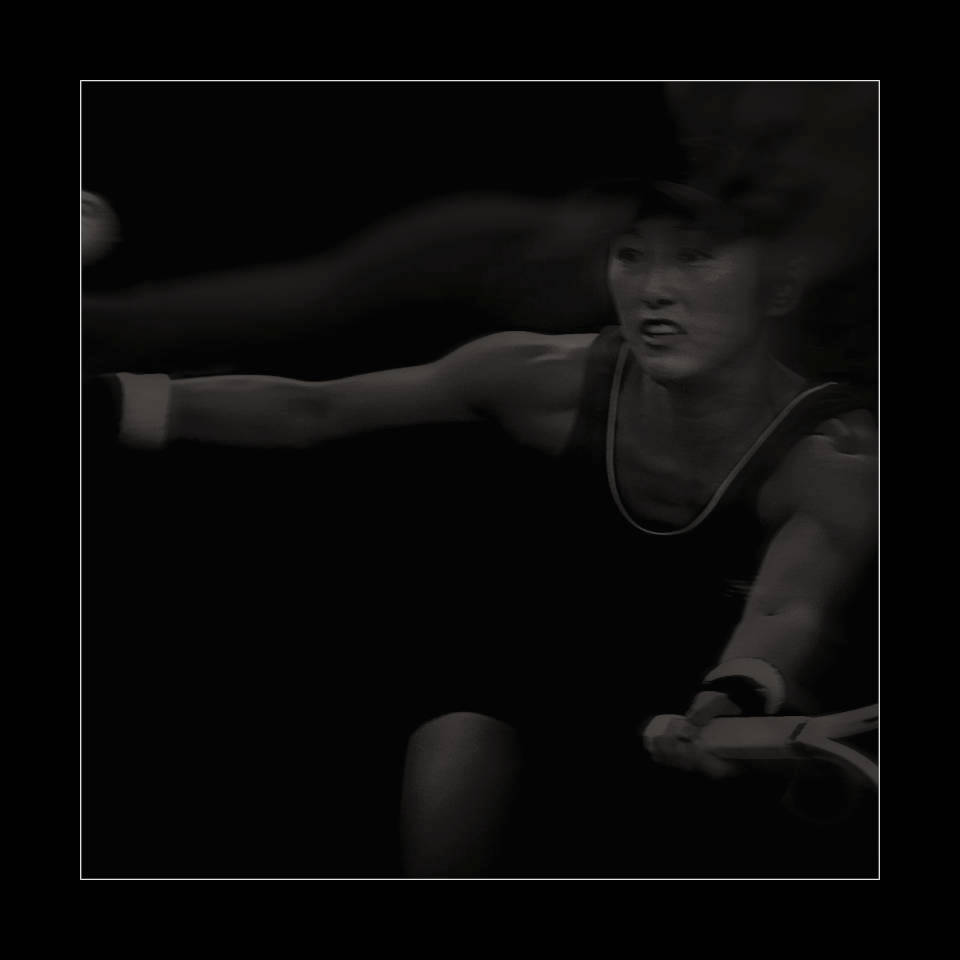
suspended inside the private chamber of decision.
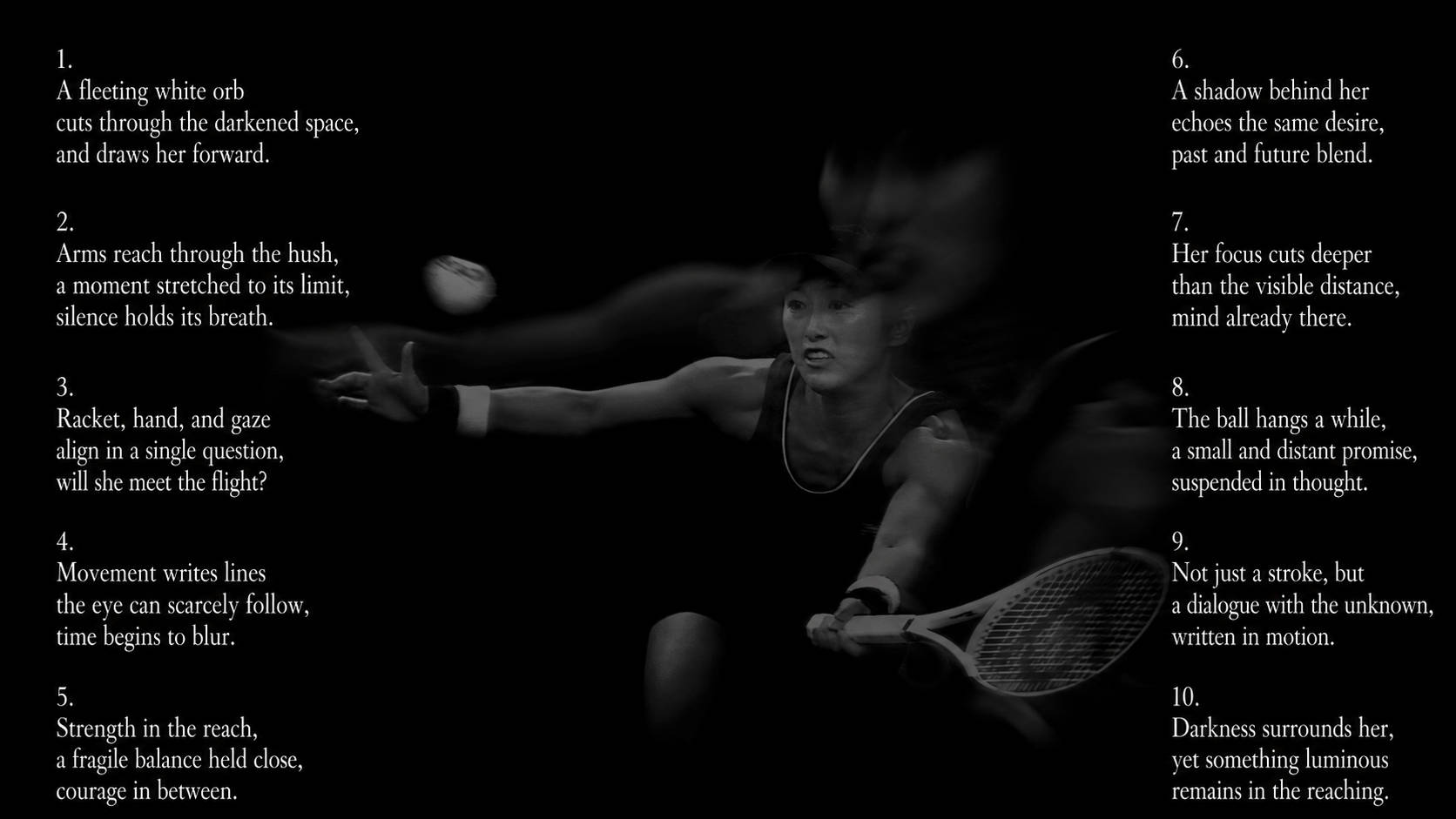

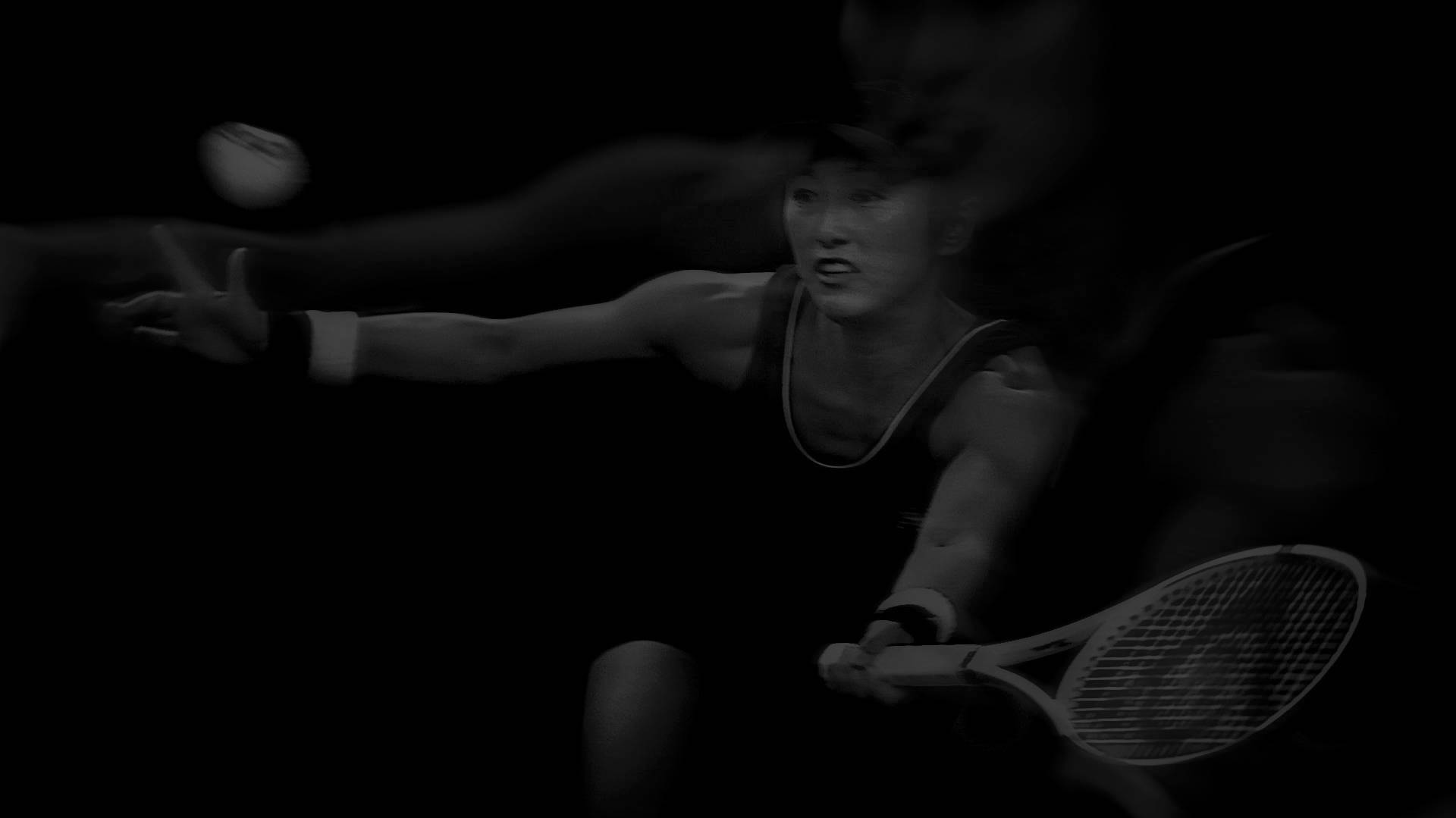
Misaki Doi – Overview
Misaki Doi (born 29 April 1991 in Yokohama, Japan) is a retired Japanese professional tennis player who competed internationally for more than fifteen years. A compact 1.59 m left-hander with a two-handed backhand, she reached a career-high WTA singles ranking of world No. 30 on 10 October 2016 and a doubles high of No. 77. Doi won one WTA singles title, two WTA doubles titles, two WTA 125 singles titles and seven ITF singles titles. Her best Grand Slam singles performance was the fourth round of Wimbledon in 2016. She represented Japan at two Olympic Games and in numerous Billie Jean King Cup campaigns before retiring in September 2023.
Personal Background
Doi was born in Yokohama and began playing tennis at the age of six after being introduced to the sport by her parents. Her father worked in business, her mother was a homemaker, and her older brother Ryota became a tennis coach.
She attended Sundai Kōfu High School and began training at Japan's National Training Center in Tokyo in 2008. Away from tennis, she has mentioned shopping and watching Japanese films among her interests.
Playing Profile
Doi played left-handed with a two-handed backhand and listed hard court as her preferred surface. At only 1.59 m (5 ft 3 in), she was considerably shorter than many leading players but developed an aggressive all-court game rather than relying primarily on defence.
Her childhood tennis idol was Justine Henin, whom Doi admired specifically because Henin demonstrated that a comparatively small player could compete with an aggressive style at the highest level.
Junior and Early Professional Development
Doi competed internationally as a junior and reached a career-high ITF junior ranking of No. 44 in January 2009. Her junior record included appearances at the major championships before she moved increasingly toward professional competition.
She began collecting professional results while still a teenager and won her first ITF singles title at Kōfu in March 2009, defeating Erika Sema in the final.
Early ITF Success
Doi won another $10,000 title in Tokyo in July 2009 and reached two $25,000 finals later that season. In November 2010 she achieved an important breakthrough by winning the $75,000 Toyota tournament, defeating Junri Namigata in the final.
The Toyota title demonstrated that she was ready to move beyond entry-level ITF tournaments and toward regular WTA and Grand Slam competition.
Grand Slam Debut – 2010
Doi made her Grand Slam singles main-draw debut at Roland Garros in 2010.
Although she lost in the opening round, it began a long period in which she became a regular participant in major tournaments.
Wimbledon Breakthrough – 2011
Doi produced her first important Grand Slam run at Wimbledon in 2011. After qualifying for the main draw, she defeated No. 30 seed Bethanie Mattek-Sands in three sets and then former Wimbledon semifinalist Zheng Jie 6–3, 6–1.
She reached the third round before losing to eventual semifinalist Sabine Lisicki. It was the first indication that Doi's left-handed attacking game could be particularly effective on grass.
First WTA Success – 2012
Doi reached her first WTA quarterfinal at Birmingham in 2012 and followed it with her first WTA semifinal at Osaka later that year.
These performances helped establish her inside the group of Japanese players capable of competing regularly on the main WTA Tour.
First WTA Doubles Title – 2014
Doi won her first WTA title of any kind at Istanbul in 2014, partnering Elina Svitolina in doubles.
The pair defeated Oksana Kalashnikova and Paula Kania in the final. Doi subsequently reached a career-high doubles ranking of world No. 77.
ITF Success – 2014 and 2015
Doi continued supplementing her WTA schedule with selected high-level ITF events. She won the $50,000 Seoul tournament in 2014 and another $50,000 event in Hong Kong in January 2015.
These results helped provide the ranking foundation for the strongest period of her singles career.
First WTA Singles Title – Luxembourg 2015
Doi achieved her first and only regular WTA singles title at the Luxembourg Open in October 2015.
She began the tournament by defeating world No. 20 Andrea Petkovic for the first Top-20 victory of her career and continued through the draw to reach the final against Mona Barthel.
Doi defeated Barthel 6–4, 6–7, 6–0 to become a WTA singles champion for the first time.
2015 Season
The Luxembourg championship lifted Doi to a year-end singles ranking of world No. 60, then the best finish of her career.
She also reached the second round at both Roland Garros and the US Open and the doubles final at the Japan Women's Open in Tokyo with Kurumi Nara.
Career-Best Season – 2016
The 2016 season was the peak of Doi's career. She won a WTA 125 title, reached a WTA singles final, made a Premier-level quarterfinal, reached the second week at Wimbledon, represented Japan at the Olympics and climbed to world No. 30.
She recorded a career-best 24 WTA main-draw singles victories during the season.
Kaohsiung Final – 2016
Doi reached her second WTA singles final at Kaohsiung in February 2016.
She finished runner-up to former world No. 1 Venus Williams, but the result helped move her firmly into the world's Top 50.
San Antonio WTA 125 Champion – 2016
Doi won the San Antonio WTA 125 tournament in March 2016.
She defeated Germany's Anna-Lena Friedsam in the final, giving her the most significant singles title of her career after the previous year's Luxembourg WTA championship.
Rome Quarterfinal – 2016
At the Italian Open in Rome, Doi reached the quarterfinals of a major Premier-level tournament. Her run included a victory over world No. 15 Lucie Šafářová.
At the time, she became the first Japanese woman since Kimiko Date in 2014 to reach the quarterfinals of a Premier-level or higher WTA tournament.
Wimbledon Fourth Round – 2016
Doi produced the best Grand Slam performance of her career at Wimbledon in 2016. She defeated Louisa Chirico 6–1, 6–2 in the first round and then upset No. 15 seed Karolína Plíšková 7–6, 6–3.
She defeated Anna-Lena Friedsam in the third round before losing 6–3, 6–1 to eventual finalist Angelique Kerber in the fourth round. It remained Doi's only appearance in the second week of a Grand Slam.
Rio Olympic Games – 2016
Doi represented Japan at the 2016 Rio Olympic Games in both singles and doubles.
She reached the second round of singles before losing to Samantha Stosur. In doubles, partnering Eri Hozumi, she also reached the second round before losing to Daria Kasatkina and Svetlana Kuznetsova.
Career-High Ranking
Doi reached her career-high singles ranking of world No. 30 on 10 October 2016.
She finished the season at No. 38, compared with No. 60 at the end of 2015. This two-year period represented her sustained peak as a WTA singles player.
2017 Season
Doi's results became less consistent in 2017, although she still produced several strong tournaments. She reached the semifinals in Nürnberg, the quarterfinals in Taipei and the third round of the Madrid Open.
Her ranking subsequently began to decline from its 2016 peak.
Rebuilding on the ITF Circuit – 2018
Doi rebuilt her ranking during 2018 through successful appearances on the ITF circuit. She won a $25,000 event in Kōfu and then captured the $100,000 Vancouver Open.
In Vancouver she defeated former Top-40 player Heather Watson 6–7, 6–1, 6–4 in the final. It was the largest ITF singles title of her career.
Resurgence – 2019
Doi enjoyed a major resurgence in 2019. She won the WTA 125 tournament in Båstad, reached the WTA singles final in Hiroshima and simultaneously won the Hiroshima doubles championship.
The season restored her position inside the Top 100.
Båstad WTA 125 Champion – 2019
Doi captured both singles and doubles titles at the 2019 Swedish Open in Båstad.
In doubles she partnered Natalia Vikhlyantseva. Winning both competitions at the same event made Båstad one of the most successful weeks of her career.
Hiroshima Final – 2019
Doi reached her third regular WTA singles final at the Japan Women's Open in Hiroshima.
She faced compatriot Nao Hibino in the first all-Japanese WTA singles final since 1997. Hibino won the championship, but the two then joined forces to win the doubles title.
Second WTA Doubles Title
The Hiroshima championship with Hibino was Doi's second regular WTA doubles title after Istanbul 2014.
She finished her career with two WTA doubles titles from three regular tour-level finals.
2020 Season
Doi's strongest result in the pandemic-disrupted 2020 season was reaching the final of the WTA 125 event at Indian Wells, where she finished runner-up to Irina-Camelia Begu.
At regular WTA level her best singles result was the second round in Istanbul.
Tokyo Olympic Games
Doi represented Japan for a second time at the Tokyo Olympic Games, held in 2021 after their postponement from 2020.
She reached the second round of the women's singles competition. The Japanese Olympic Committee records her as 17th in singles, matching her second-round result.
Tyler Champion – 2021
Doi won the W80 Tyler Pro Challenge in Texas in October 2021.
She defeated Britain's Harriet Dart 7–6, 6–2 in the final. It was her seventh and final ITF singles title and demonstrated her ability to remain competitive well into her thirties.
Later Career – 2022
Doi remained a regular Grand Slam and WTA competitor during 2022, although her singles ranking was beginning to decline.
In doubles she reached the third round of Roland Garros, the joint-best Grand Slam doubles result of her career, and also won the Båstad WTA 125 doubles title with Rebecca Peterson.
Final Professional Season – 2023
Doi continued competing during 2023 and reached ITF singles finals in Bengaluru and Říčany.
Persistent back problems, however, increasingly made it difficult for her to compete without pain. In August she announced that the tournaments in Osaka and Tokyo would be the final events of her career.
Final Tournament – Tokyo 2023
Doi played her final tournament at the Toray Pan Pacific Open in Tokyo in September 2023.
She received a wildcard and defeated Petra Martić 7–5, 6–2 in the first round, producing one final WTA victory in front of her home crowd.
Her professional career ended in the second round against Maria Sakkari. Doi was 32 years old when she retired.
Reason for Retirement
Doi explained that persistent back problems had affected her for approximately a year and that playing without pain had become increasingly difficult.
Rather than continuing with a reduced schedule, she chose to finish her career with two tournaments in Japan, allowing her final matches to be played in front of Japanese supporters.
WTA Singles Career
Doi finished her WTA career with a 404–378 overall singles record and career prize money of US$3,946,733.
She reached three regular WTA singles finals, winning Luxembourg in 2015 and finishing runner-up at Kaohsiung in 2016 and Hiroshima in 2019.
WTA Singles Finals
Luxembourg – 2015, champion
Kaohsiung – 2016, runner-up
Hiroshima – 2019, runner-up
WTA 125 Singles
Doi won two WTA 125 singles championships:
San Antonio – 2016
Båstad – 2019
She was also runner-up at the Indian Wells WTA 125 tournament in 2020.
ITF Singles Titles
Doi won seven ITF singles titles:
Kōfu – 2009, $10,000
Tokyo – 2009, $10,000
Toyota – 2010, $75,000
Seoul – 2014, $50,000
Hong Kong – 2015, $50,000
Vancouver – 2018, $100,000
Tyler – 2021, $80,000
She reached twelve ITF singles finals overall, compiling a 7–5 record.
Doubles Career
Doi was also an accomplished doubles player. She reached a career-high doubles ranking of world No. 77 and won two regular WTA doubles titles.
Her regular WTA championships came in Istanbul in 2014 with Elina Svitolina and Hiroshima in 2019 with Nao Hibino. She was runner-up at the 2015 Japan Women's Open with Kurumi Nara.
WTA 125 Doubles
Doi also won multiple WTA 125 doubles titles. Among them were championships in Båstad in 2019 with Natalia Vikhlyantseva and in 2022 with Rebecca Peterson.
Her doubles résumé was therefore considerably stronger than her career-high ranking of No. 77 alone might suggest.
ITF Doubles
Doi won six ITF doubles titles from fourteen finals.
Her earliest ITF doubles championship came in Miyazaki in 2008 with fellow Japanese player Kurumi Nara, several years before either player became established on the WTA Tour.
Grand Slam Singles Results
Australian Open – Second round (2013)
Roland Garros – Second round (2015)
Wimbledon – Fourth round (2016); third round (2011)
US Open – Second round (2015, 2021)
Wimbledon was clearly Doi's most successful major. Her career singles record there was 6–9, including her memorable fourth-round run in 2016.
Grand Slam Doubles Results
Australian Open – Third round (2020)
Roland Garros – Third round (2022)
Wimbledon – Second round (2016, 2017, 2021)
US Open – Second round (2014, 2017)
She finished with a 13–19 career record in Grand Slam women's doubles.
Billie Jean King Cup
Doi was a long-serving member of the Japanese national team in the Fed Cup, now the Billie Jean King Cup. She represented Japan in 2011, 2013–2015, 2017 and 2019–2020.
Her national-team career formed an important part of a generation of Japanese women's tennis that also included players such as Kurumi Nara, Nao Hibino, Ayumi Morita and later Naomi Osaka.
Olympic Career
Rio 2016 – Singles second round
Rio 2016 – Doubles second round, with Eri Hozumi
Tokyo 2020 – Singles second round
Doi therefore represented Japan at two Olympic Games. She did not win an Olympic medal.
Asian Games
Doi also represented Japan at the 2010 Asian Games in Guangzhou.
She was part of the Japanese women's team that won a bronze medal.
Playing Style
Doi was an aggressive left-handed all-court player. Despite her small stature, she attempted to take control of rallies rather than simply counterpunch, using the natural angles produced by her left-handed forehand and serve.
Her compact build, speed and low center of gravity aided movement and balance, while her willingness to attack made her capable of troubling much larger opponents.
Forehand
Doi's left-handed forehand was one of the distinctive strokes in her game. She could create heavy crosscourt angles, particularly against right-handed opponents' backhands, while also redirecting the ball down the line.
The stroke was central to her first-strike patterns and helped compensate for the absence of the effortless serving power available to taller players.
Serve and Return
At 1.59 m, Doi could not depend on height for free points on serve. Placement, variation and the left-handed angle were therefore particularly important.
Her compactness and anticipation also helped her as a returner, allowing her to attack second serves and enter rallies quickly.
Surface Versatility
Doi officially identified hard court as her preferred surface, and most of her titles came on hard or indoor courts. Her biggest ITF championship, Vancouver 2018, and her Luxembourg WTA title were examples of this strength.
Nevertheless, her best Grand Slam result came on Wimbledon grass, while she also reached a major quarterfinal in Rome on clay. Her career therefore demonstrated genuine adaptability across surfaces.
Rankings and Statistics
Career-high singles ranking: No. 30 (10 October 2016)
Career-high doubles ranking: No. 77
WTA career singles record: 404–378
Regular WTA singles titles: 1
Regular WTA singles finals: 3
WTA 125 singles titles: 2
ITF singles titles: 7
Regular WTA doubles titles: 2
ITF doubles titles: 6
Career prize money: US$3,946,733
Current singles ranking: None
Current doubles ranking: None
Status: Retired
Career Highlights
Full name: Misaki Doi
Japanese name: 土居美咲
Born: 29 April 1991, Yokohama, Japan
Nationality: Japanese
Height: 1.59 m (5 ft 3 in)
Plays: Left-handed, two-handed backhand
Started tennis: Age 6
Preferred surface: Hard court
Career-high singles ranking: No. 30
Career-high doubles ranking: No. 77
WTA singles champion: Luxembourg 2015
WTA 125 singles champion: San Antonio 2016, Båstad 2019
WTA doubles champion: Istanbul 2014, Hiroshima 2019
Best Grand Slam singles result: Wimbledon fourth round, 2016
Best Grand Slam doubles result: Third round
Olympic Games: Rio 2016, Tokyo 2020
Asian Games team bronze medal: 2010
Billie Jean King Cup/Fed Cup: Multiple Japanese teams
Professional singles victories: More than 400
Career prize money: US$3.95 million
Final professional tournament: Tokyo, September 2023
Retired: September 2023
Career Trajectory
Doi's career developed gradually. After winning lower-level ITF titles as a teenager, she made her Grand Slam debut in 2010 and first attracted wider attention by reaching the third round of Wimbledon in 2011. WTA quarterfinals and semifinals followed before she finally became a tour champion at Luxembourg in 2015.
Her peak came in 2016. The San Antonio WTA 125 title, Kaohsiung final, Rome quarterfinal, Wimbledon fourth round and Rio Olympics combined to lift her to world No. 30. Although she could not permanently maintain a Top-40 ranking, she repeatedly rebuilt her career, most notably through the Vancouver title in 2018 and her WTA final and Båstad championship in 2019.
Doi remained competitive into her thirties, winning the W80 Tyler tournament in 2021 and continuing to appear at Grand Slams and WTA tournaments. Persistent back problems eventually led her to announce her retirement in August 2023. Appropriately, her final weeks were spent competing at home in Japan, and she recorded one last WTA victory over Petra Martić in Tokyo before ending her career against Maria Sakkari.
Assessment
Misaki Doi built one of the more durable Japanese WTA careers of her generation. She was never a Grand Slam title contender, but reaching world No. 30, winning a WTA singles championship, collecting more than 400 professional singles victories and remaining internationally competitive for well over a decade constitute a substantial career.
Her achievements were particularly notable given her 1.59 m height in an era increasingly dominated by taller and more powerful players. Rather than attempting merely to survive against that power, Doi developed an aggressive left-handed game influenced by Justine Henin and used angles, speed and early ball striking to create her own attacking opportunities.
The 2015 Luxembourg title and 2016 Wimbledon fourth round remain the clearest individual landmarks, while her two Olympic appearances and long service to Japan add an important national-team dimension. By the time she retired in 2023, Doi had established herself as a respected and persistent Japanese professional whose career successfully bridged the period between the Kimiko Date/Ayumi Morita generation and the rise of Naomi Osaka and the players who followed.
all texts by ChatGPT